
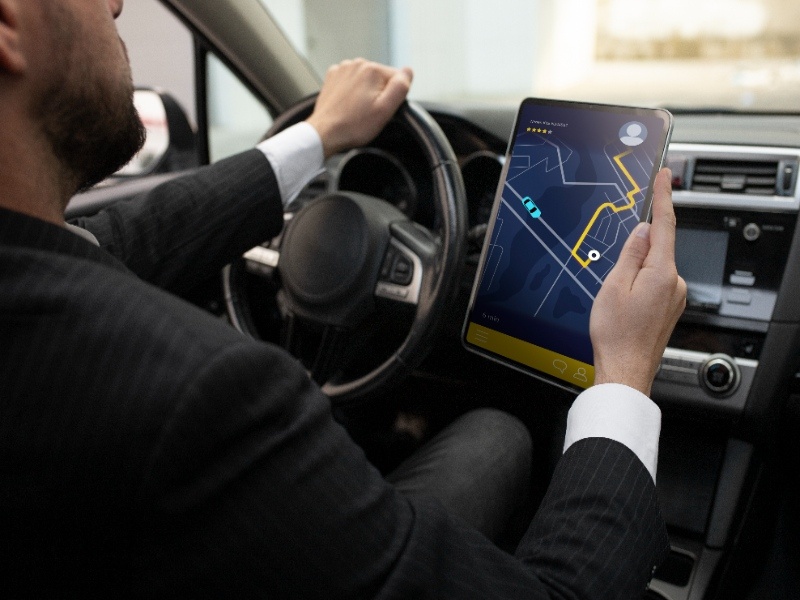
Fleet management is more difficult than ever before. It is full of timely deliveries, maintaining schedules, and optimizing performances. One major improvement in the field is real-time tracking systems. These systems are ever improving and focus on boosting efficiency while lowering costs.
To keep an edge in today’s competitive marketplace, fleet visibility is vital for any company that depends on transport. This is critical for the operational fluidity of the company, regardless of whether it is a logistics company, a delivery company or a company that possesses a fleet of vehicles that are used to provide services. Businesses incur problems without visibility, such as delivery delays, excessive fuel waste and vehicle abuse.
Fleet managers can now use new technologies like real-time fleet tracking and reporting that act as an operational booster and minimize the challenges that come along with low fleet visibility. When businesses use real-time GPS tracking software for fleets, they can monitor the location of their vehicles, manage driver performance and improve overall performance with analytics.
What Is a Real-Time Vehicle Tracking System?
A real-time vehicle tracking system uses GPS technology. It tracks vehicles continuously and shows their exact location. The system also reports the vehicle’s speed and indicates its direction of movement. All updates are provided in real-time, allowing for constant monitoring. While standard GPS systems give location updates at fixed intervals, real-time tracking systems provide instant updates. They allow businesses to see up-to-the-minute data about their fleets. This helps in better monitoring and quick decision-making.
These systems rely on GPS satellites that monitor the vehicle’s location and send the information to a central software system. Because of this, fleet managers can track the location of any vehicle in their fleet at any time and gain real time operational insight.
Difference Between Basic GPS and Real-Time Tracking
Real Time GPS Tracking Software for Fleets & Fleet Management System for UAE Businesses
Features | Basic GPS Tracking | Real Time GPS Tracking System |
Update Frequency | Updates every few minutes or hours | Continuous, instant updates |
Information Immediacy | Delayed, may provide outdated information | Near-instantaneous updates |
Tracking Accuracy | Less accurate due to infrequent updates | Highly accurate, with continuous tracking |
Advanced Features | Limited features (basic location tracking only) | Includes features like geofencing, route optimization, and driver behavior monitoring |
Decision-Making | Slower decision-making due to outdated data | Faster decision-making with real-time information |
Cost | Typically lower cost | Higher cost due to advanced features and continuous updates |
Route Optimization | Not available | Available, can optimize routes in real-time |
Driver Behavior Monitoring | Not available | Available, helps monitor and improve driver behavior |
Use Cases | Basic tracking for personal or less demanding fleets | Advanced tracking for business fleets requiring high visibility and control |
Vehicle Tracking System with Live Location for Business Fleets
One of the key features of a real-time vehicle tracking system is the ability to monitor the live location of vehicles on a map. This live map monitoring allows fleet managers to gain a comprehensive overview of their fleet’s movements and location at any given time.
Live Map Monitoring
Fleet managers can track vehicles in real time due to a live mapping system. With this mapping system, managers can track deliveries and modify plans when necessary. They can also communicate better with the drivers. Managers can tell drivers when to take more efficient roads and when they need to provide assistance. They can also change the delivery plans while the drivers are on the road.
Route Visibility and Movement Tracking
Managers can see the entire route and where each vehicle is through real time tracking. They can see the exact roads, the stops and the time spent at each stop. This kind of tracking helps businesses confirm that the drivers are being eco-friendly by not being wasteful with fuel and not being sluggish on the road.
Since managers can see vehicles in real time, they can respond better to sudden disruptions like traffic, crashes or roadblocks. This puts the customer service at a more reliable level. There will be fewer delays.
Real-Time Fleet Tracking and Reporting Explained
In addition to offering live location updates, a real-time fleet tracking system has improved fleet management, functional tracking and reporting capabilities. These reports allow fleet managers to see how their fleet is performing.
Performance Reports
Real-time tracking systems create reports of performance, which provide insight into how effective and efficient each vehicle and driver is. These reports provide information about how much fuel was used, speed, how long the vehicle is in an idle state, and the conduct of driver. After reviewing these reports, fleet managers can determine inefficiencies ( i.e., too much idling or harsh braking ) and implement needed corrective action to enhance fleet performance.
Trip History and Analytics
Real-time fleet tracking and reporting systems don’t just provide live tracking. These systems also keep records of trips taken in the past. This data enables fleet managers to analyze past trips in detail, including how long each trip lasted, how much fuel was consumed and how many stops were made. Managers can then evaluate past trips to enhance future routes. This helps to identify and track the improvement of inefficiencies.
How Fleet Visibility Improves Daily Operations
Real-time GPS tracking gives managers the tools to monitor their fleets continuously. This visibility helps them make quick and informed decisions, improving overall daily operations.
Faster Decision-Making
With access to live data, managers can understand fleet dynamics instantly. They can make immediate adjustments to routes, schedules or assignments, ensuring smoother operations and better service to customers.
Reduced Misuse and Delays
Real-time tracking allows managers to spot inefficiencies or unauthorized use of vehicles. They can quickly adjust schedules or routes, reducing delays and improving operational efficiency.
Use Cases of Real-Time Vehicle Tracking Systems
The systems can be adjusted to fit various industries. Listed below are a few common examples where these systems are proving to be effective.
Logistics Fleets
When providing logistics, companies need fleet reporting and tracking in real-time to make sure that all processes are seamless. Logistics companies can improve delivery times, route optimization and dispatcher/driver communications by completing tracking. Customer satisfaction and operational costs can be improvements with this.
Delivery Operations
Delivery services need to have real-time tracking in order to make accurate estimates to customers and to ensure that there will be on-time deliveries. Tracking also identifies drivers and vehicles that are not meeting expectations and allocates resources more effectively.
Service Vehicles
Businesses like plumbing or maintenance companies that operate with service vehicles need tracking systems to optimize the dispatch of the closest technician to each job. Additionally, it helps managers to assist with service calls and respond to emergencies more timely.
Conclusion
Including a vehicle tracking system helps increase visibility, control, and efficiency in fleet management. Tracking vehicles in real-time helps fleet managers take operational insights into their location, performance and driver behavior, which helps save money and improve operations. GPS tracking provides optimal performance and a competitive advantage in logistics, delivery, and maintenance industries.
The Bayanat solution helps improve fleet visibility and control, providing real-time reporting and tracking. This provides smarter decision-making, increased productivity, and a more efficient fleet.
Real Time GPS Tracking Software for Fleets & Fleet Management System for UAE Businesses
FAQs
What is a real-time vehicle tracking system and how does it work?
A real-time vehicle tracking system uses GPS technology to provide continuous updates on a vehicle’s location, speed and direction. The system transmits this data to a central platform, allowing fleet managers to track and monitor their vehicles in real-time.
How does a vehicle tracking system with live location improve fleet visibility?
A vehicle tracking system with live location provides fleet managers with up to the minute data on where each vehicle is, which helps them monitor progress, optimize routes and respond to issues as they arise.
What is the difference between GPS tracking and real-time fleet tracking and reporting?
GPS tracking provides location data at set intervals, while real-time tracking offers continuous, instantaneous updates on a vehicle’s location, speed and other critical data. Real-time systems also include advanced features like performance reporting and analytics.
Can real-time vehicle tracking systems help businesses manage fleets more efficiently?
Yes, real-time tracking systems offer valuable insights into vehicle performance, driver behavior and route efficiency, allowing businesses to make informed decisions that improve fleet efficiency, reduce costs and enhance customer service.
Read More: Real Time GPS Tracking for Fleet Management in Ras Al Khaimah
