
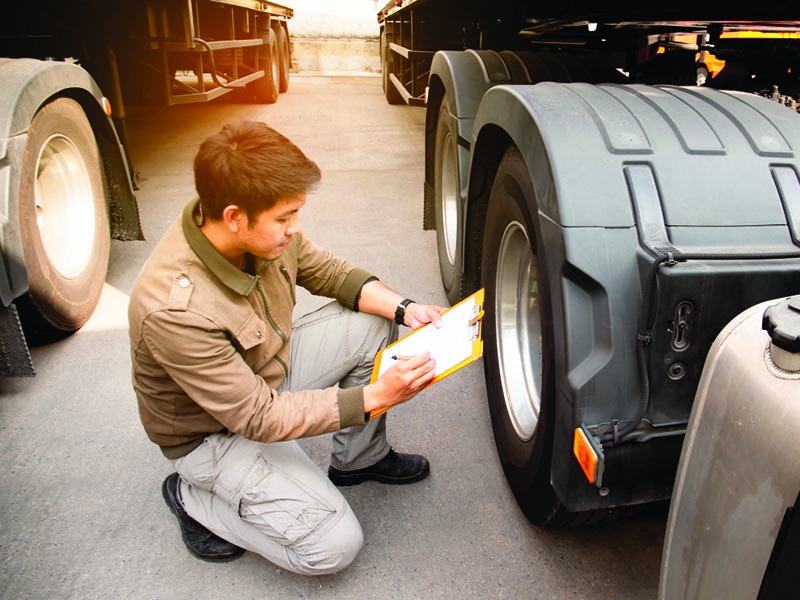
Running a business with vehicles is not easy. Ask anyone who manages a delivery fleet or a construction company — the moment a truck breaks down on the road, everything stops. Deliveries get delayed, customers get angry, and repair bills hit harder than expected. Most of the time, this happens not because the vehicle was old, but because nobody paid proper attention to its maintenance.
A good vehicle maintenance service does not just fix vehicles. It keeps them from breaking down in the first place. And for any business that depends on vehicles daily, that difference is huge.
So What Exactly Is Vehicle Maintenance?
Simply put, vehicle maintenance is taking care of your vehicles before something goes wrong. This means checking the engine oil, inspecting the brakes, rotating the tires, testing the battery — all the small things that most people ignore until it is too late.
For a business fleet, this is not just a good habit. It is a necessity. One vehicle sitting in a workshop for three days is not just a repair problem. It is a productivity problem, a customer service problem, and a cost problem all at once.
The Real Cost of Ignoring Maintenance
People often skip servicing to save money. But the math works the other way around. Here is what actually happens when vehicle maintenance gets ignored:
- A small engine issue that costs AED 200 to fix today becomes a AED 3,000 repair next month
- A worn tire that needs replacement causes an accident that damages the vehicle completely
- An overheating engine on a highway means emergency recovery, lost working hours, and a frustrated driver
- Repeated breakdowns damage your reputation with clients who depend on your services
The businesses that spend money on regular maintenance almost always spend less overall compared to those who only fix things when they break.
Different Types of Vehicle Maintenance
Not all maintenance works the same way. There are a few different approaches and each one has its own purpose:
Preventive Maintenance is the most basic and most important type. You service the vehicle on a fixed schedule — every certain number of kilometers or every few months. Oil changes, filter replacements, brake checks, and tire rotations all fall under this. You do it regularly whether or not anything seems wrong.
Fleet predictive maintenance is more advanced. Sensors and software track the condition of different vehicle parts in real time. When data shows that something is about to fail, the system sends an alert before the breakdown actually happens. This approach is becoming very popular with larger fleets.
Corrective Maintenance simply means fixing something after it breaks. Every fleet has some of this, but the goal is to minimize it as much as possible.
Emergency Maintenance is the most expensive kind — when a vehicle breaks down completely and needs immediate attention. Good maintenance planning is designed specifically to avoid this.
Basic Things Every Fleet Should Check Regularly
Whether you have five vehicles or fifty, these checks should never be skipped:
- Engine oil — old or low oil destroys engines quietly over time
- Brake pads and fluid — worn brakes are a safety risk, not just a repair issue
- Tires — check pressure, alignment, and tread depth regularly
- Battery — especially important in UAE heat, which drains batteries faster
- Coolant and radiator — overheating is one of the most common fleet problems in hot climates
- Air and fuel filters — dirty filters hurt engine performance and increase fuel costs
These are simple checks. But when they are done consistently across an entire fleet, they prevent the majority of unexpected breakdowns.
Why Professional Maintenance Makes More Sense
Some businesses try to manage maintenance on their own without any proper system. A driver reports a problem, someone books it into a local garage, and the paperwork gets lost somewhere. This approach works for one or two vehicles but falls apart quickly with a larger fleet.
Professional vehicle maintenance services bring structure to the whole process. Trained technicians use proper diagnostic tools to find hidden problems that are not obvious during a basic visual check. Every service gets documented properly. Reminders go out automatically when the next service is due. Nothing falls through the cracks.
For UAE businesses specifically, this matters even more. The heat here is not forgiving on vehicles. Engines work harder, cooling systems face more pressure, and dust clogs filters quickly. Having a maintenance partner who understands these conditions makes a real difference.
How Technology Is Changing Fleet Maintenance
Ten years ago, fleet maintenance meant clipboards and paper logs. Today it looks very different.
Modern vehicles come with sensors that track everything — engine temperature, fuel consumption, brake performance, tire pressure. This data goes to a central system where fleet managers can see the health of every vehicle in real time, from any device.
When something unusual shows up in the data — say, a sudden drop in fuel efficiency or an unusual engine temperature reading — the system flags it immediately. The manager can book the vehicle for service before it breaks down on the road.
GPS telematics adds another layer. It tracks where vehicles go, how they are being driven, and how many kilometers they cover. This information feeds directly into maintenance scheduling so services happen at the right time based on actual usage, not just guesswork.
The result is a smarter, more efficient maintenance program that wastes less money and keeps more vehicles on the road.
Simple Steps to Cut Fleet Downtime Starting Today
You do not need expensive software to start reducing downtime. These practical steps work for any fleet size:
- Create a maintenance calendar — every vehicle should have a clear servicing schedule
- Train drivers to do a quick check before they start each day — tires, oil, lights, brakes
- Act on warning signs immediately — strange noises, dashboard lights, and poor fuel economy are signals, not things to ignore
- Keep basic spare parts on hand — common items like filters, belts, and bulbs should always be available
- Track every repair and service — a simple record helps you spot patterns and plan better
- Review which vehicles break down most often — sometimes replacing an old vehicle is cheaper than constantly repairing it
None of these steps require a big budget. They just require consistency.
What Good Maintenance Delivers Over Time
Businesses that take vehicle maintenance seriously consistently see these results:
- Repair bills go down because problems are caught early
- Vehicles last longer before they need to be replaced
- Fuel costs drop because well-serviced engines run more efficiently
- Drivers feel safer and more confident on the road
- Customers receive more reliable service and on-time deliveries
- Resale value of vehicles stays higher because of proper service records
These are not small benefits. Over a few years, a structured maintenance program can save a mid-sized fleet tens of thousands of dirhams.
Conclusion
Fleet downtime is not just bad luck. Most of the time it is the result of skipped services, ignored warning signs, and no proper system to track vehicle health. The fix is straightforward — take vehicle maintenance seriously before problems happen, not after.
A reliable vehicle maintenance service program, whether built around preventive schedules or smart technology, gives businesses the control they need to keep their fleets moving, their costs predictable, and their operations running without unnecessary interruptions.
Read more: Fleet Maintenance Essentials: Boosting Performance with Advanced Solutions