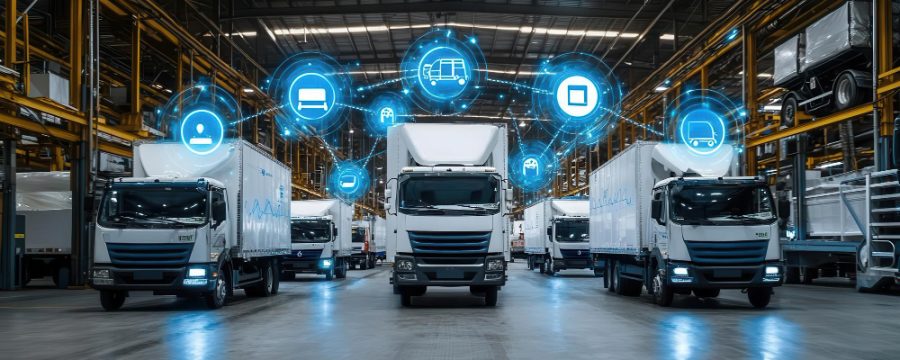
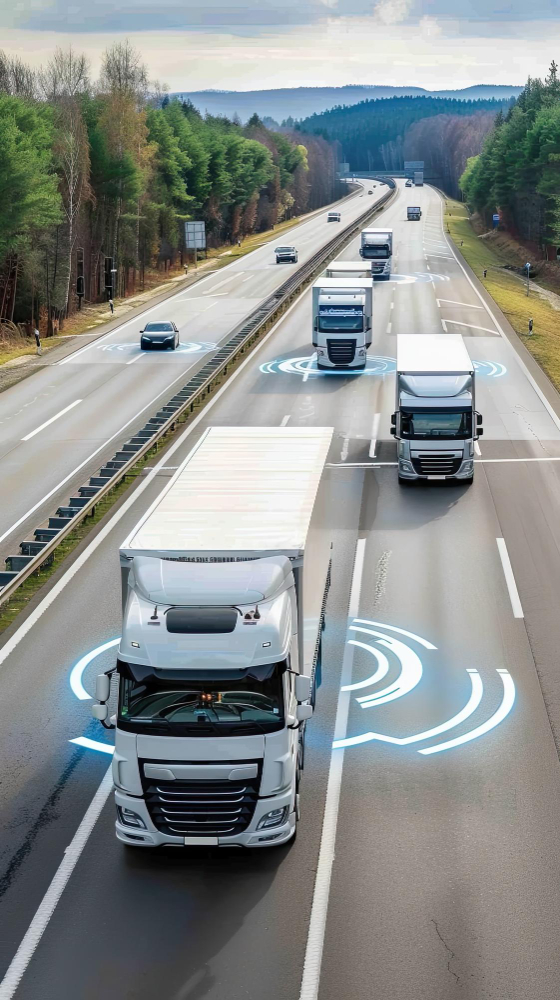
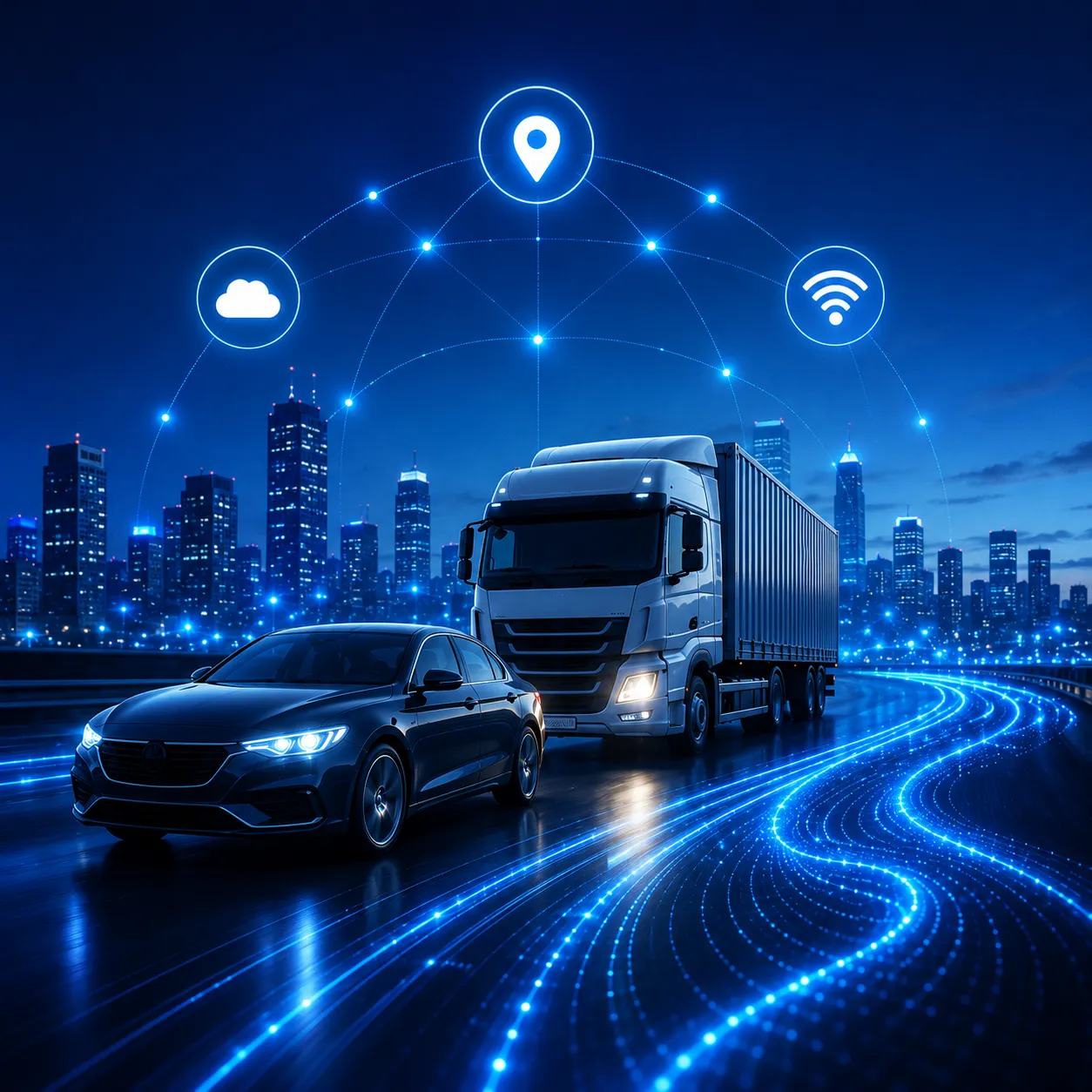
Modern businesses prioritize efficiency, visibility, and data-driven decision-making process to remain competitive. Telemetry and GPS Technologies provide real-time tracking, monitoring, and management of fleet vehicles, drivers, and operations. With powerful insights from the best fleet telematics, businesses can enhance physical safety and operational efficiency while lowering average daily operational costs.
Telemetry and GPS integration combines telecommunications with vehicle tracking systems for real-time tracking and analytics of vehicle activities. Data about fuel usage, vehicle speed, location, and driver behavior is collected from the vehicle’s onboard systems and sent to a central system where it is monitored and analyzed. GPS tracking, onboard sensors, and communication networks to provide insights such as vehicle location, speed, fuel usage, and driver behavior.
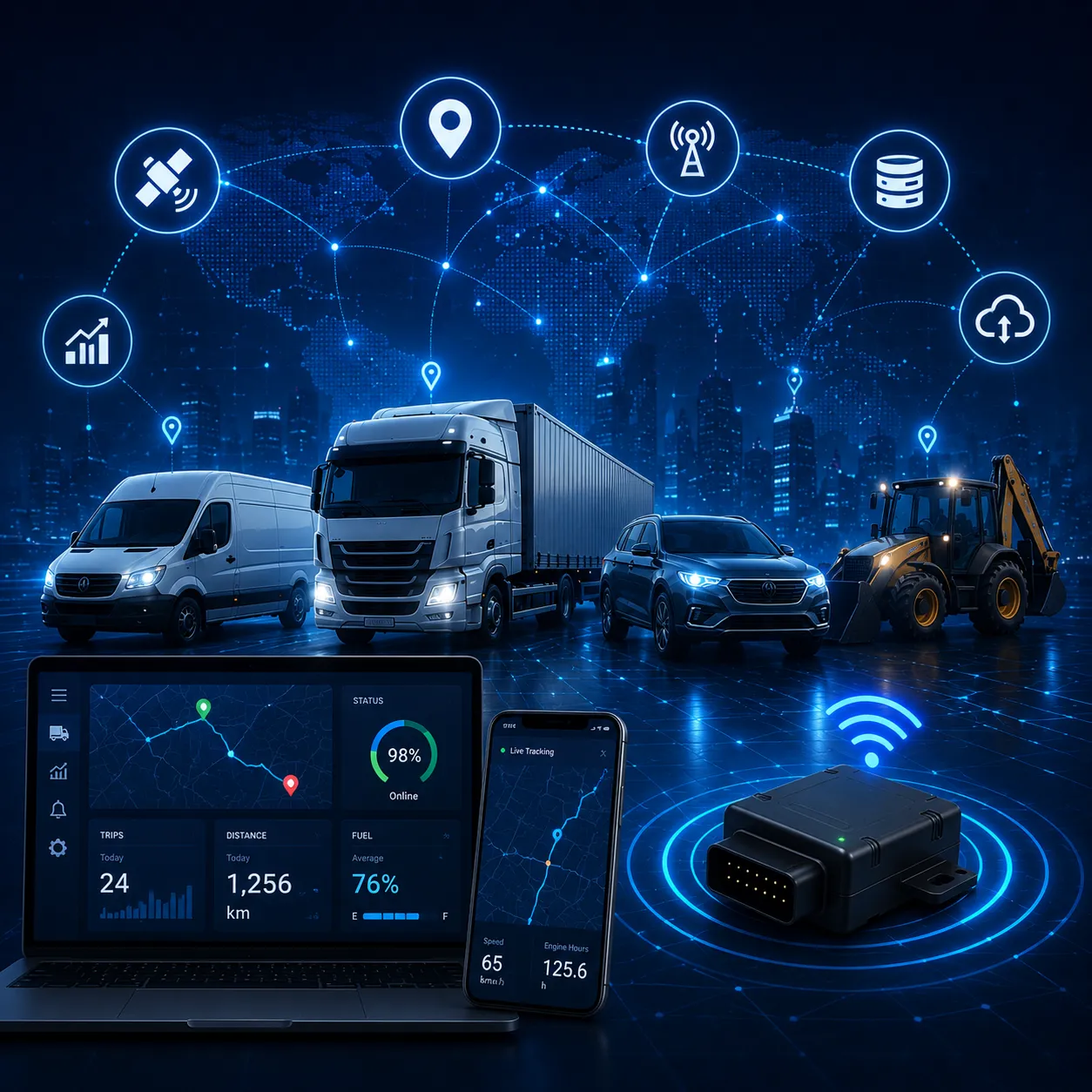
A telematics system uses GPS tracking, onboard sensors, and communication networks to provide insights such as vehicle location, speed, fuel usage, and driver behavior.
Basic GPS tracking simply shows the location of a vehicle on a map. While useful, it provides limited information.
In short, GPS tracking shows where your vehicle is, while telematics explains how it is being used and how efficiently it is operating.
Telematics systems go much further by collecting and analyzing multiple types of vehicle data such as
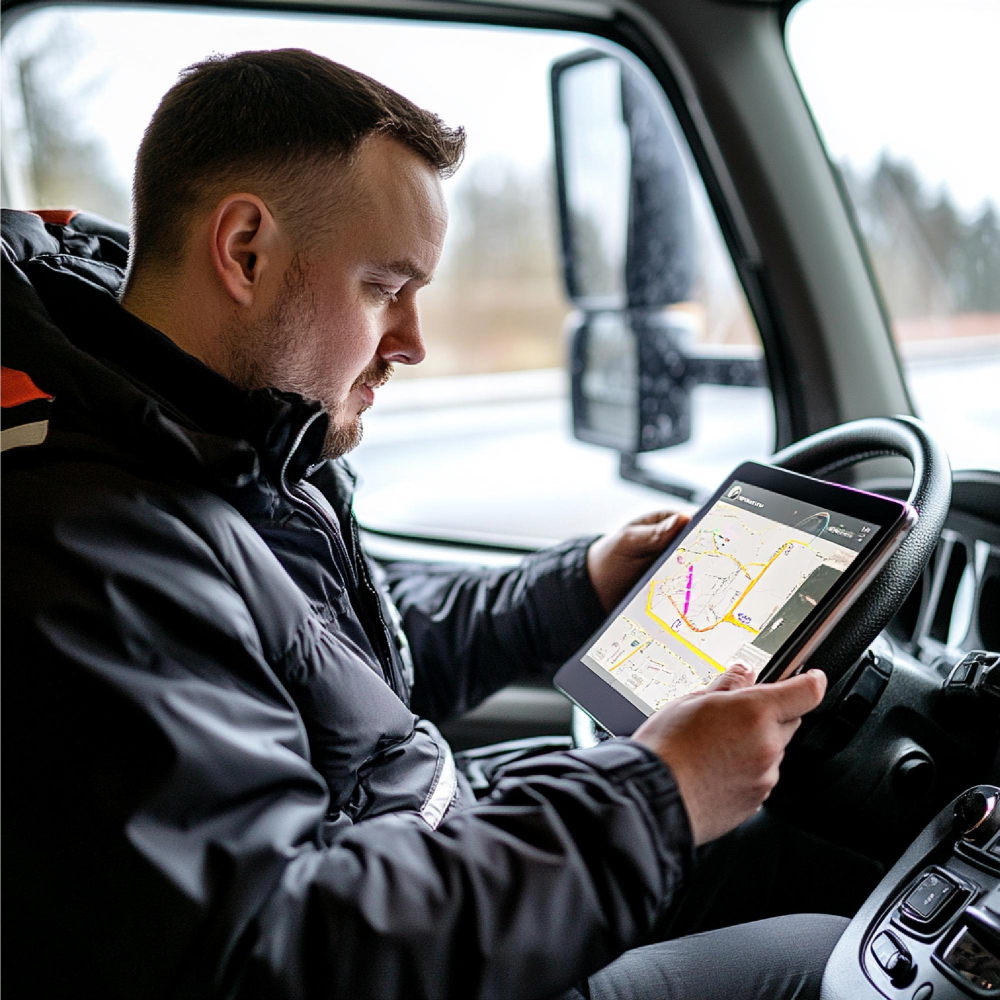
Through this modern system, fleet managers can track and monitor the real-time movement of their vehicles via an online interactive map.
The telematics device integrated into the vehicle collects important vehicle analytical data and insights, including data and metrics on the engine and system status, mileage, fuel used, and total idle time. This data and information is used for the outperformance of the fleet and to save the company from costly vehicle breakdowns.
Our fleet system captures and monitors driver behavior, including a driver’s speed on the road, sudden braking, acceleration of the vehicle, and unnecessary idling. This data can lead to driver and vehicle safety, while decreasing fuel consumption.
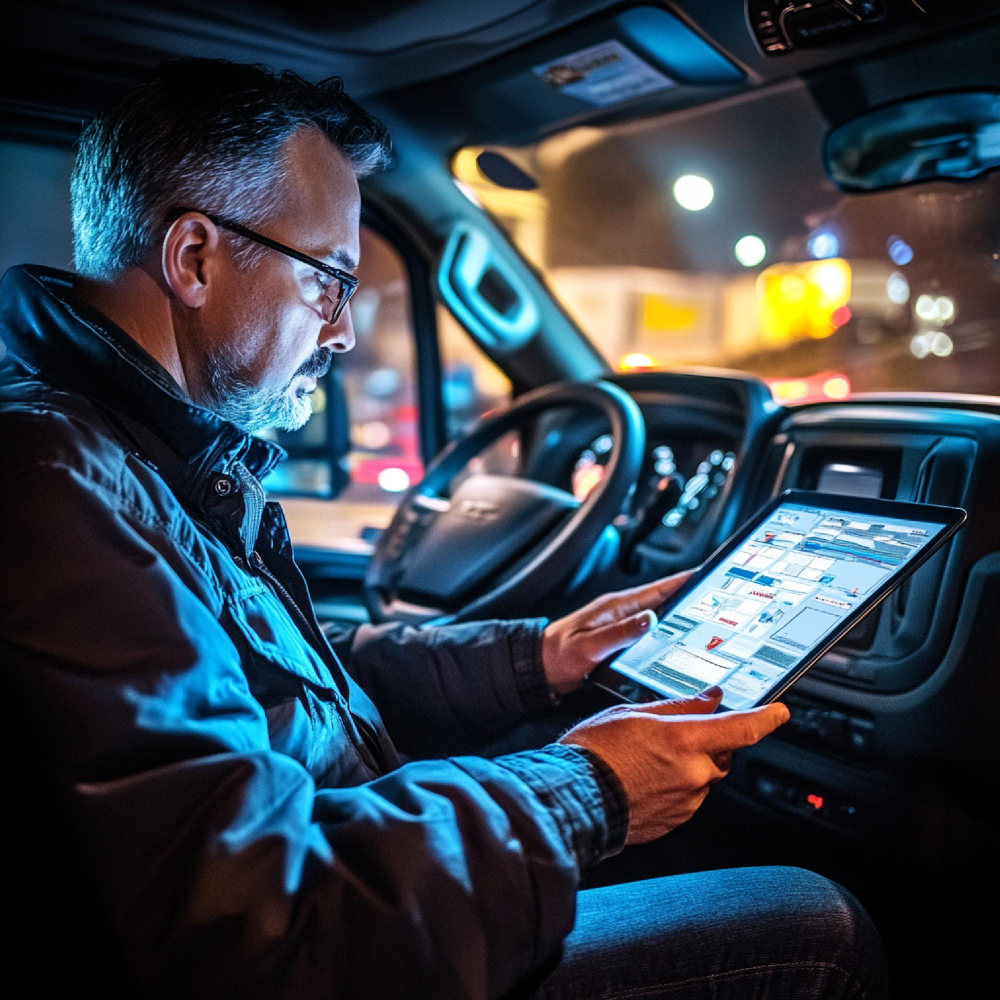
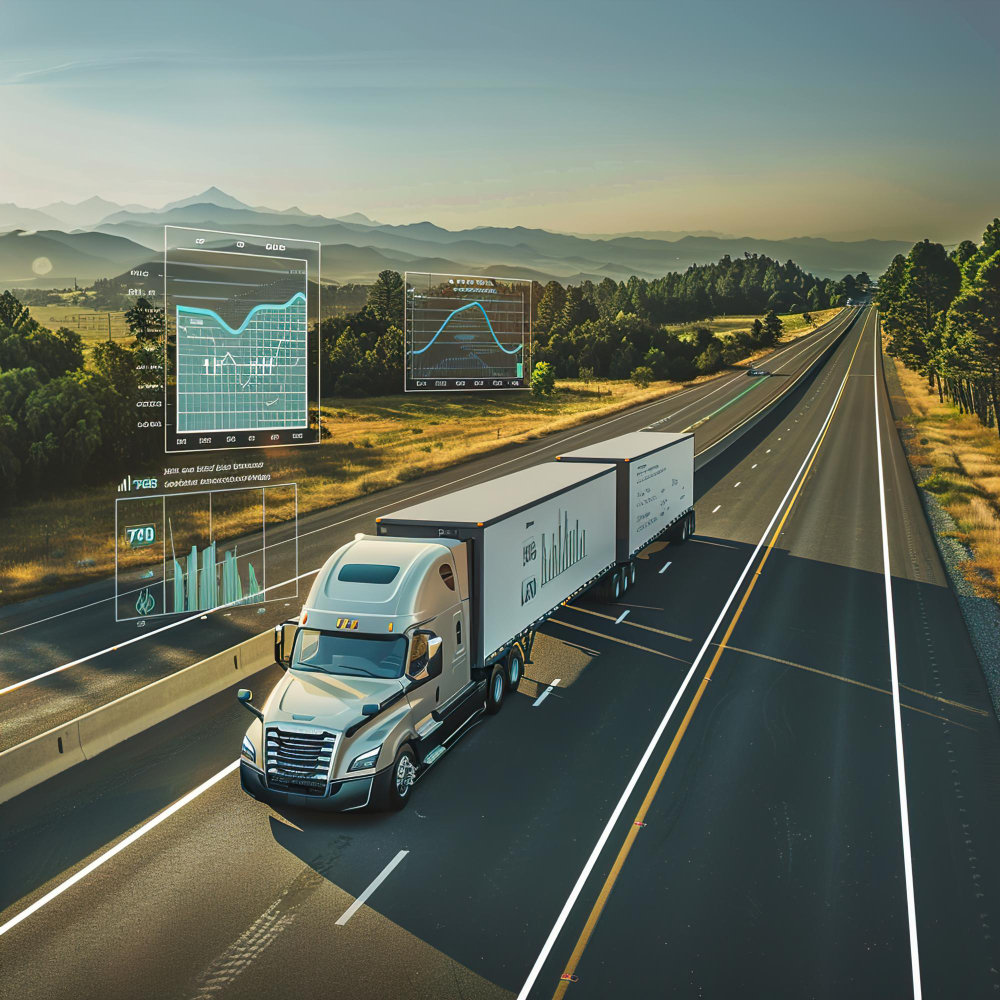
Fleet managers may access their fleet vehicle analytics data on cloud telematics from any online platform or mobile device utilizing the analytics dashboards to view reports and any past analytics data.
Fleet managers can use our real-time GPS to track all of their vehicles. They can use a central dashboard to see real-time changes to all their vehicles such as where they are, what they are doing, and their history of all of the above.
Create geo-specific boundaries for your vehicles, warehouses, job sites, and delivery locations. You can set up geo-specific boundaries and the system will automatically send notifications when a vehicle travels to or from the set boundaries.
For theft prevention and better operational costs, monitor and track unusual usage of your vehicle's fuel.
For the sake of improving overall safety, it is important to improve the accountability of your drivers. Monitoring things like aggressive braking, acceleration, or going above the speed limit can accomplish this.
Prompt and premature detection of breakdowns is helpful for reducing your overall cost of repairs. You will receive notifications when repairs need to be done on the vehicles.
Less time spent traveling, less fuel used, and fewer missed delivery deadlines are all things that can result from analyzing the driving history and patterns of drivers to find the best possible path to take.
By monitoring fuel usage, idle time, and driving behavior, businesses can significantly reduce unnecessary fuel consumption.
Driver behavior monitoring helps identify risky driving habits, allowing companies to provide training and promote safer driving practices.
Real-time vehicle tracking provides full visibility of fleet operations, helping managers make faster and more informed decisions.
Telematics systems help maintain accurate records for regulatory compliance, including driver logs, vehicle maintenance, & operational reports.
Our fleet telematics platform supports a wide range of industries that rely on vehicle operations and fleet efficiency.
Track shipments, monitor routes, and ensure timely deliveries.
Improve passenger safety and operational visibility.
Monitor heavy equipment and vehicles at job sites.
Optimize delivery routes and reduce delays.
Track remote fleet operations and enhance safety compliance.
Having the right vehicle telematics solutions changes the entire construct of how your fleet operates. Reliability, security, and scalability, for telematics, is how we value our customers.
We value your telematics scope and grade your telematics needs to enterprise level.
Your vehicle data is allocated through encrypted communications for your safety and the safety of your data.
Whether you manage 10 vehicles or 1,000, the system easily scales to meet your growing fleet requirements.
Our team offers help to ensure your fleets are operating at the highest possible standards without disruption & we are offering 24 hours services of a day.
GPS tracking only shows the real-time location of a vehicle. Telematics systems provide deeper insights by collecting additional data such as fuel usage, driver behavior, vehicle diagnostics, and route history. This makes telematics a more comprehensive fleet management solution.
A telematics device installed in the vehicle collects operational data and sends it through cellular networks to a cloud-based platform. Fleet managers can then access the data through dashboards and reports to monitor fleet performance.
Telematics systems collect a wide range of data including vehicle location, speed, fuel consumption, idle time, driver behavior, route history, engine diagnostics, and maintenance alerts.
Telematics improves efficiency by providing real-time visibility of fleet operations. Fleet managers can optimize routes, reduce idle time, monitor fuel consumption, and improve driver performance, which leads to better operational productivity.
Yes, telematics systems track driving patterns such as speeding, harsh braking, sudden acceleration, and excessive idling. This information helps companies improve driver safety and reduce accidents.
Yes, modern telematics platforms are designed to handle fleets of any size. They provide scalable solutions that allow companies to monitor hundreds or even thousands of vehicles from a single dashboard.
Telematics systems use encrypted communication and secure cloud storage to protect vehicle data. This ensures that sensitive operational information remains safe and accessible only to authorized users.
Yes, many telematics platforms integrate easily with existing fleet management software, ERP systems, and logistics platforms. This allows businesses to manage operations, reporting, and analytics within a unified system.