
<
Smart & Connected Operations

Workshop Network Infrastructure

Today's workshops cannot afford to use manual processes and disconnected systems. A robust Workshop Network Infrastructure enables quicker repairs, more precise diagnostics and better communication between departments.

What is Workshop Network Infrastructure?

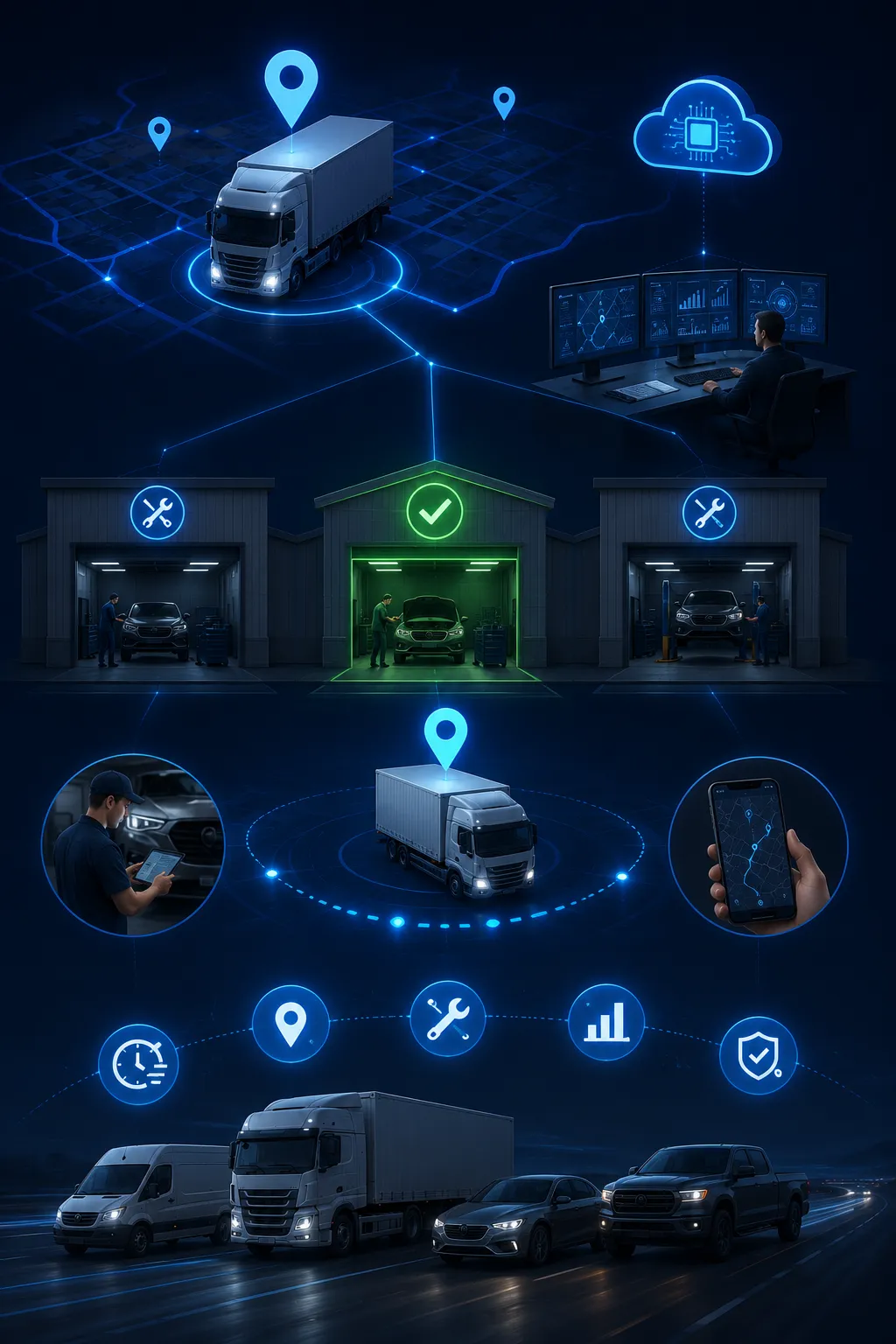
The Workshop Network Infrastructure is made up of all of the IT and network components that interconnect the digital systems in a workshop. These elements include local area networks, IoT devices, servers, cloud computing and workshop management software.

The Workshop Network Infrastructure enables real-time communication between equipment, technicians, and management, enabling a connected workshop.

Why Modern Workshops Need Connected Systems

Automotive and industrial workshops are utilizing the latest technology to manage advanced vehicles, heavy machinery, and fleet management. Using manual record keeping and separated systems impede workflows, and increase inaccuracies.

Real-time job tracking

Instant diagnostic data access

Centralized reporting

Smooth coordination between teams

Role in Automotive & Heavy Fleet Workshops

Workshops that cater to vehicles and fleets deal with massive amounts of data daily. An industrial workshop network setup integrates diagnostic device(s), job card systems, inventory control systems, and maintenance management systems. This network improves operational accuracy, transparency, and turnaround time. This improves accuracy, transparency, and turnaround time.

Core Components of a Smart Workshop Network

Secure Local Area Network (LAN)

The workshop network is based upon a well-structured LAN that merges all the computers, printers, diagnostic equipment, and servers of the workshop. Correct configuration of the network and the imposition of security barriers ensures that the network remains stable, fast, and secure from internal breaches.

IoT Device Connectivity

The modern workshop utilizes diagnostic scanners, telematics, sensors, and tracking. These are all interlinked by IoT-enabled infrastructure that integrates and synchronizes all systems around an operational core, thus providing an uninterrupted data flow without the requirement for human intervention.

Server & Cloud Integration

Cloud systems allow for remote data access and provide storage solutions that can "scale" with demand. This, in addition to local storage at the workshop, leads to data security, redundancy, and access when and where it is most needed.

Data Synchronization Across Systems

Inventory, billing, job cards, technician allocation, and fleet maintenance systems need to be synchronized. With intelligent network systems, users from any department can receive identical information, and receive that information in real time, preventing redundant work and communication errors.

How IoT Enables Connected Workshop Operations

Real-Time Diagnostics

With remote connectivity, all devices will have the capability to report diagnostics to a central data store. Managers and technicians will have real-time access to reports on fault codes, performance and repair history.

Device-to-System Communication

The devices, scanners, and sensors used in the workshop will interact with the workshop’s software, leading to a significant reduction in manual data entry and a reduction in data entry errors.

Integration with Fleet Management

With the integration of the fleet management systems, the workshops will receive automatic maintenance notifications, service request notifications, and performance feedback reports.

Benefits of Intelligent Workshop Infrastructure

01

Reduced Downtime

With the help of real-time monitoring and remote diagnostics, the duration for which machinery is idle will be decreased. The workshop will be able to identify machinery problems and perform remedial measures more quickly.

MORE DETAILS
02

Faster Job Allocation

Systems that are connected to one another will allow managers to allocate a job to a technician. This will create greater efficiency in the organization of work.

MORE DETAILS
03

Centralized Asset Tracking

Tools, equipment, vehicles, and parts can be tracked from a single system. No more wondering what has happened to the assets or the inventory.

MORE DETAILS
04

Improved Technician Productivity

The instant retrieval of information regarding job specifics, history of repairs, and diagnostic information translates to less waiting time and more work accomplished per day.

MORE DETAILS
05

Data-Driven Decision Making

Workshop owners are now empowered to utilize precise information and analytics concerning the performance of the workshop, leading to optimized workflow, improved cost management, and more strategic planning for future investments.

MORE DETAILS

Integration with Workshop Management Software

A modern  automotive workshop IT infrastructure must integrate seamlessly with business systems.

ERP Integration

The merging of enterprise resource planning (ERP) processes such as accounting, purchasing, human resources, and billing, provides complete visibility of all business processes.

Fleet Maintenance System Connectivity

Automatically sync service schedules, maintenance logs, and vehicle health data with fleet management platforms.

Predictive Maintenance Support

Connected infrastructure supports predictive maintenance tools that analyze performance data and forecast potential failures.

Industries We Support

Our industrial workshop network setup solutions are designed for diverse industries

  • Automotive workshops Vehicle diagnostics and service centers
  • Fleet service centers Commercial vehicle maintenance operations
  • Heavy equipment maintenance facilities Construction and industrial machinery workshops
  • Industrial workshops Manufacturing and equipment repair facilities
FAQs

Frequently Asked Questions

What is a GPS tracking system and how does it help businesses?

A GPS tracking system uses satellite technology to monitor vehicle location, routes, speed, and driver behavior. It helps businesses reduce fuel costs, improve safety, and gain full fleet visibility in real time. Bayanat provides advanced GPS tracking software that displays all this information on an easy-to-use dashboard.

Is Bayanat GPS fleet tracking software easy to use?

Yes. Bayanat offers a very user-friendly GPS tracking system with a clean dashboard, mobile app access, real-time alerts, and detailed reports. Even new users can monitor vehicles, manage drivers, and access trip history without any technical skills. 24/7 support is also available to help at any time.

What kinds of information can GPS tracking software access?

GPS tracking systems can access real-time vehicle location, route history, speed, idling time, fuel usage, geofence activity, maintenance reminders, and driver behavior insights. We also offers GPS tracking online features such as engine health, trip analytics, and custom alerts for better fleet control.

How does telematics software improve fleet operations?

Telematics software collects data like engine health, fuel consumption, temperature, and driver behavior, then combines it with GPS tracking. This helps businesses improve efficiency, reduce downtime, and maintain safer fleets. Bayanat telematics solutions work seamlessly for companies needing GPS tracking system for vehicles in UAE or managing multi-vehicle fleets.

How much does GPS tracking software cost and what affects the price?

The GPS tracking software price depends on the number of vehicles, the type of hardware, and features such as maintenance alerts, driver monitoring, and analytics. We offers flexible pricing plans, and in some cases, businesses can try GPS tracking software free trials before choosing a package.