
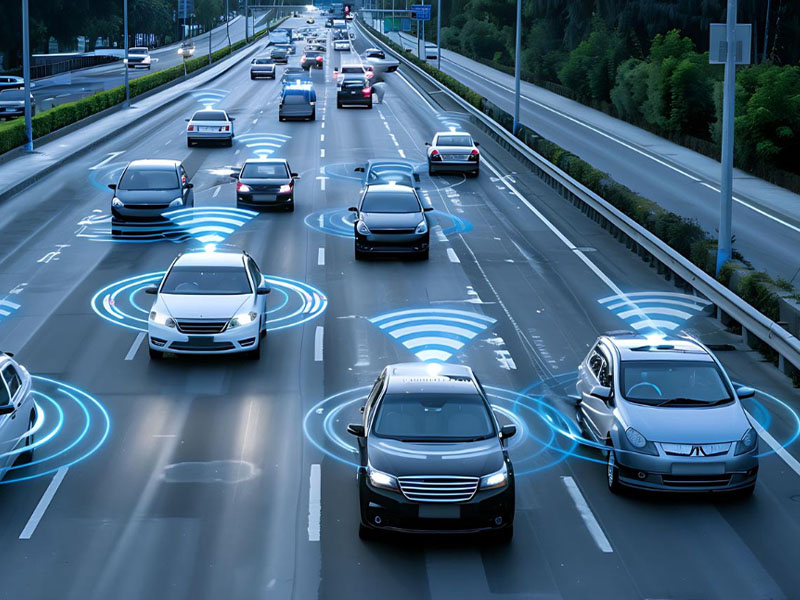
Top Fleet Management System Features for 2026: The Complete Guide
The logistics and transportation industry has continuous and rapid growth. Each year, competition becomes stronger. Technology has helped the industry meet the challenges of rapid growth especially in GPS and Fleet Management. As fuel prices continuously increasing, along with compliance, safety and customer challenges, the industry have to adapt to smarter solutions.
By 2026, Fleet Management Systems will become a Digital Ecosystem, combining the best of GPS, real-time telematics, AI analytics, predictive maintenance, sustainability and IoT. However fleet owners will continue to reduce operational costs while improving safety and performance with the latest tracking device UAE.
This blog discusses features of the GPS Tracker for cars that will be necessary in 2026 and will mean the most for fleets that are ready for the future.
1. Real-Time Telematics & GPS Tracking
Tracking is still the most important aspect of fleet management. Today, while most Fleet tracking software still provides the most basic tracking, others offer a complete package of telematics. They offer real-time tracking as well as reporting on a vehicle’s health, fuel consumption and even driver performance. Telemetry reporting offers the ability to respond to any operational problems immediately.
Key Capabilities
- Live Fleet tracking with accurate vehicle location
- Driver behavior monitoring such as speeding and harsh braking
- Fuel usage and vehicle status updates
- Alerts for unauthorized vehicle movement
Why It Matters in 2026
Telematics in real time gives more visibility of the fleet and less misuse. A fleet maintenance software allows managers to handle operations across various locations and improves delivery accuracy and customer satisfaction.
2. Predictive Maintenance & Vehicle Health Monitoring
Customers lose trust if there are delays in service and if the service becomes more expensive due to the breakdown of vehicles. Predictive maintenance eliminates such problems by not allowing issues to become serious. Moreover the breakdown of vehicles is avoided and maintenance is more efficiently planned when the fleet management system captures real-time and historical data.
Key Capabilities
- Engine, transmission and battery health monitoring
- Smart reminders for preventive maintenance
- Digital maintenance and repair history records
Business Benefits
- Extends vehicle lifespan
- Reduces unexpected breakdowns
- Lowers repair and replacement costs
By 2026, predictive maintenance will become a standard feature for cost-efficient fleet operations.
3. AI-Powered Analytics & Decision Support
Artificial Intelligence is changing fleet management, reducing the amount of raw information that managers must process. A GPS tracker for car AI analyses routes, fuel consumption, driver activity and vehicle health to help make informed decisions.
AI Feature Highlights
- Predictive alerts for vehicle failures
- Detection of unusual fuel or driving patterns
- Driver performance analysis and coaching insights
Why It Matters
AI reduces manual analysis and improves operational efficiency. By 2026, AI-driven decision support will be essential for fleets that want to stay competitive.
4. Advanced Route Optimization
Modern route optimization goes beyond finding the shortest path. Systems will now account for traffic, weather, delivery priorities, road blocks and vehicle type. This will result in faster and safer deliveries while using less fuel.
Feature Highlights
- Real time traffic-based rerouting
- Multi-stop delivery route planning
- Fuel-efficient routing suggestions
Business Impact
- Improves on time deliveries
- Reduces fuel and operational costs
- Increases driver productivity
Advanced route optimization helps fleets operate smarter every day.
5. Driver Safety & Video Telematics
Driver Safety is and will remain the top priority of fleet operators. Video telematics uses AI-powered dash cameras to capture and monitor driving behavior in real time. GPS tracking software detects at-risk behaviors and accidents before they happen.
Driver Safety Enhancements
- AI-based dashcam monitoring
- Detection of distracted or aggressive driving
- Real-time safety alerts and coaching
Business Benefits
- Fewer road accidents
- Lower insurance costs
- Reduced legal and liability risks
By 2026, in-vehicle coaching will provide instant feedback to improve driver safety.
6. Compliance & Automation Tools
This is all about hours driven, inspections, and reports. If this is done manually, it can cause mistakes and risk being penalized. However, systems can easily help manage things digitally.
Compliance Capabilities
- Digital vehicle inspection reports
- Auto-generated ELD and logbook records
- Alerts for compliance deadlines and updates
Business Benefits
- Reduces paperwork and manual effort
- Prevents fines and penalties
- Keeps fleets audit-ready at all times
Automation ensures smooth and compliant fleet operations.
7. Sustainability & EV Fleet Support
All fleets are now required to be sustainable. Management systems also support the use of electric and hybrid vehicles. Along with it are tools to manage energy consumption, charging and emissions.
Emerging Capabilities
- EV battery range and health monitoring
- Charging station route planning
- Carbon emission and sustainability reports
Why It Matters
Sustainability tools help fleets reduce environmental impact while controlling costs. By 2026, these insights will support smarter investment decisions.
8. IoT Integration & Next-Gen Connectivity
IoT sensors add another layer of intelligence to fleet management. These devices collect data from vehicles, cargo and drivers. Combined with 5G connectivity and fleets gain real-time visibility across all operations.
Key Benefits
- Cargo condition and temperature monitoring
- Tire pressure and sensor-based vehicle data
- Faster and more reliable data transfer
IoT integration improves safety, reliability and operational efficiency.
9. Fuel Management & Theft Detection
For many companies, the biggest fleet cost is fuel. An advanced Fuel Monitoring System that streams data regarding fuel consumption and fuel theft helps minimize fuel waste and increase accountability.
Fuel Optimization Features
- Real-time fuel usage tracking
- Idle time monitoring
- Fuel theft detection alerts
Business Benefits
- Reduces fuel losses
- Improves cost control
- Enhances fleet transparency
Fuel analytics will become more predictive by 2026.
10. Integration & Open API Ecosystem
Modern fleets use multiple digital platforms such as ERP, dispatch, and HR systems. Open APIs allow seamless integration between these tools, creating a unified system.
Integration Advantages
- Centralized data across all platforms
- Automated workflows and reporting
- Scalable solutions for growing fleets
Choosing a system like Bayanat ensures future-ready integration.
Conclusion
In 2026, fleet management will offer much more than simple vehicle tracking. Furthermore, with the addition of new AI and the breaking of new IoT, it will create intelligent systems to help automate and fully data drive the process. Systems will integrate GPS tracking software, AI analytics, predictive maintenance, IoT connectivity, safety and sustainability features all as part of a single system.
Companies that use solutions like Bayanat , which are ready for the future, will lower operational costs, enhance driver safety, remain compliant with laws, and practice environmentally friendly practices. Moreover, a modern fleet management system is necessary especially in the rapidly-changing competitive landscape in transport.
Are you ready to future proof your fleet? Choose today, Bayanat and transform your operation with intelligent tracking and smarter insights. Start now to lower costs, have safer drivers and create a more sustainable fleet.
FAQs
How does a GPS tracker for a car work?
A GPS tracker uses satellite signals to find a vehicle’s exact location. It sends this data to a tracking platform through mobile networks, allowing users to view live location, speed and movement history.
Is GPS tracking software required for car tracking?
Yes, GPS tracking software is needed to view and manage tracking data. The software shows real-time location, trip history, alerts and reports in an easy to use dashboard or mobile app.
Are GPS tracking devices legal in the UAE?
Yes, GPS tracking devices are legal in the UAE when used for vehicles you own or manage. They must follow UAE data privacy and telecom regulations and should not be used without proper permission.
Can a GPS tracker help with vehicle maintenance?
Yes, GPS trackers help track mileage, engine hours, and usage patterns. This data supports timely servicing, reduces breakdown risks and improves overall vehicle maintenance planning.
What is the difference between a fleet management system and car GPS tracking?
Car GPS tracking mainly shows vehicle location and movement. A fleet management system offers advanced features like fuel monitoring, maintenance alerts, driver behavior analysis and compliance reporting.
Read more: How Can the Best GPS Tracking Software Improve Your Fleet Management System